
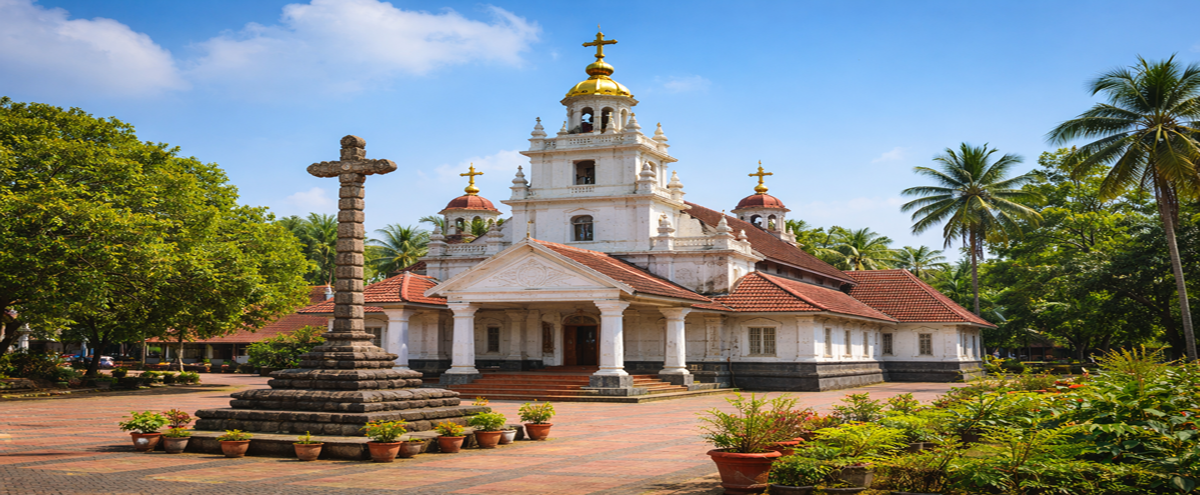
Syriac Christianity is an ancient branch of Eastern Christianity that emerged in the first century AD within the Near East, particularly in Syria and Mesopotamia, using Aramaic (Classical Syriac) for its liturgy and theology. It is characterized by its Semitic cultural roots, distinct from Greek or Latin traditions, and represents one of the oldest continuous Christian traditions. The origins and culture are centered around Edessa (modern-day Şanlıurfa, Turkey) and Antioch. This tradition is deeply rooted in the Semitic, Aramaic-speaking world familiar to Jesus and the Apostles.The language used is Classical Syriac, a dialect of Aramaic, which serves as the sacred language in theology and liturgy. Syriac Christianity has had a long history in India. According to tradition,Christianity in India was established by St. Thomas who arrived in Malankara(Kerala) from Edessa in A.D. 52.The close ties between the Church in Malankaraand the Near East go back to at least the fourth century when Joseph, a merchantfrom Edessa travelled to India and met Christians there. The church in Malankara today is an integral part of the Syriac Orthodox Church with the Patriarch of Antiochas its supreme spiritual head. The local head of the church in Malankara is theCatholicos of the East (currently held by Aboon Mor Baselios Joseph), consecratedby and accountable to the Patriarch of Antioch.
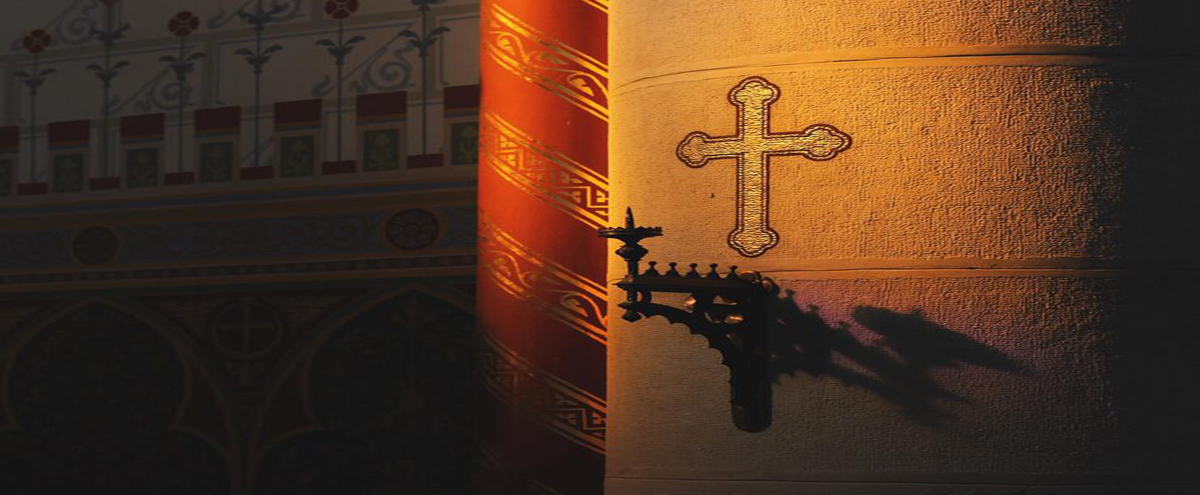
Schisms and Divisions in the 5th Century: The Beginning and Revival of the Syriac Orthodox Church
The Church of Antioch was thriving under the Byzantine Empire until the fifth century when Christological controversies split the Church.After the Council of Chalcedon in A.D. 451, two camps of the one Church emerged: The Greek Church of Byzantium and the Latin Church of Rome accepted Chalcedon, but the Syriac and Coptic (later Armenian as well) Churches rejected the council.The former group professed that Christ is in two natures, human and divine, whilst the latter adopted the doctrine that Christ has one incarnate nature from two natures. It is worth noting that the drafts of the Council were according to the position of the Syriac and Coptic Churches. The final resolution, however, was according to the doctrine of the Western Churches and was rejected by the Syriac Church. This schism had sad consequences on the Syriac Church during the next few centuries. As the Emperor supported the Chalcedonian camp, the Syriac Church came under much persecution. Many bishops were sent to exile, most notably Patriarch Mor Severius, who was later given the epithet togho d-suryoye, Crown of the Syriacs.Mor Severius died in exile in 538. By the year 544, the Syriac Church was in an abysmal situation with only three bishops remaining. It was at this time that Mor Yacqub Burd‘ono (Jacob Baradeus) emerged to rejuvenate the Church. Mor Yacqub traveled to Constantinople for an audience with Empress Theodora, the daughter of a Syriac Orthodox priest from Mabbug according to Syriac Orthodox sources, and wife of Emperor Justinian. Theodora used her influence to get Jacob ordained as bishop in 544. Later, Mor Yacqub would travel across the entire land reviving the Church. He managed to consecrate 27 bishops and hundreds of priests and deacons. For this, the Syriac Orthodox Church honors this saint on July 30 of every year, the day of his death in 578. A few centuries later, adversaries labeled the Syriac Orthodox Church “Jacobite” after St. Jacob. The Syriac Orthodox Church rejects this belittling label, which wrongly suggests that the Church was founded by Mor Yacqub.
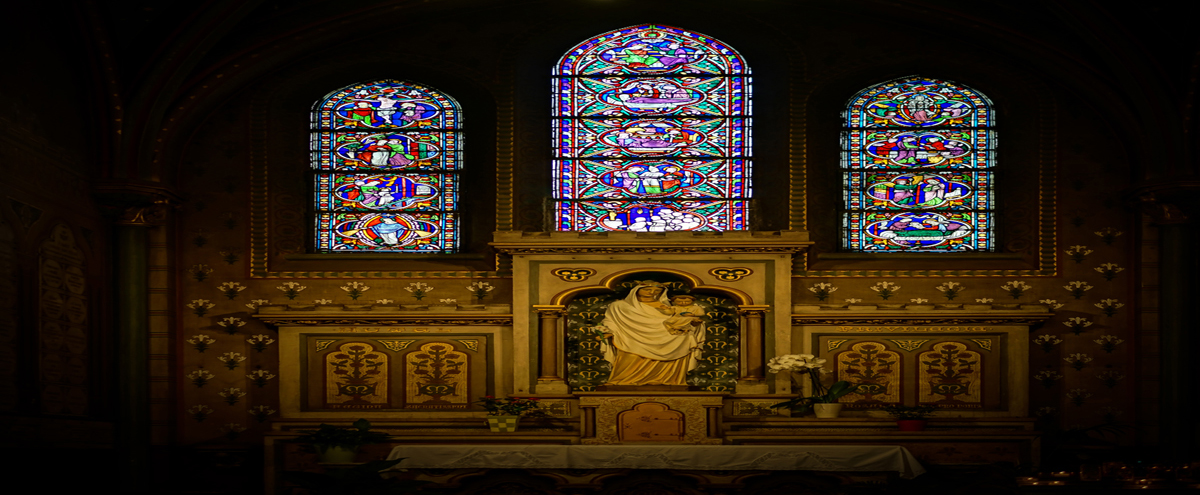
The Survival and Global Legacy of the Syriac Orthodox Church: From Persecution to Diaspora
Aside from their ecclesiastical role, Syriac Churchmen have contributed to world civilization. As early as the fourth century, academies and schools were set up in monasteries throughout Syria and Mesopotamia. Monks and scholars were busy studying the sciences of the Greeks, commenting on and adding to them.It is no surprise that when the Arabs, who conquered the Near East at the end of the seventh century, wanted to acquire Greek knowledge, they turned to Syriac scholars and churchmen.Arab caliphs commissioned Syriac scholars to translate the sciences of the Greeks into Arabic.In his film Forgotten Christians, Christopher Wenner describes the impact of Syriac scholars and Churchmen when he mentions the school at Deir az-Za’faran monastery: “It was through the monks here that the Arabs received Greek learning, and it was the Arabs of course who passed it back to Europe.Had it not been for the Syriac monks, we in Europe might never have had a Renaissance.” The Syriac Orthodox Church survived under the dominion of many empires in the centuries that followed. Under the Arabs, Mongols, Crusades, Mamluks, and Ottomans, the Syriac Orthodox Church continued its survival.Neither intimidation nor oppression could suppress the faithful, but the Church diminished in size to a fraction of what it was. By the beginning of the 20th century, Syriac Orthodox Christianity was confined mostly to mountainous rural areas, such as Tur Abdin, and various towns in the Ottoman Empire.The worst of the persecutions was yet to come. During World War I, massacres and ethnic cleansing befell the Syriac Orthodox Christians at the hands of the Ottoman Turks and the neighboring Kurds. The year 1915 is known in Syriac as Sayfo, or the Year of the Sword. It is estimated that a quarter of a million perished; villages were emptied; monasteries and churches were destroyed. This resulted in what the Syriacs call (in Turkish) Sefer Berlik — the collective exodus, a migration to the newly established countries of Syria, Lebanon, Iraq, and Palestine. Some left the Middle East altogether, forming new communities in the Americas. As a result of further immigration that ensued, the Syriac Orthodox Church today has faithful not only in the Middle East and India but also in Europe, the Americas, and Australia.
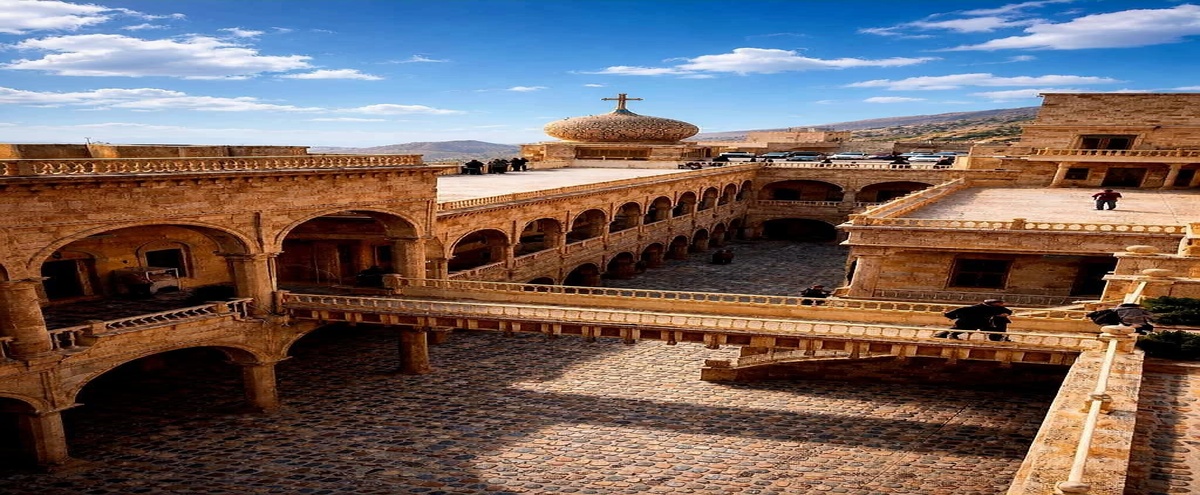
മോർ മത്തായി ദയറോ: സുറിയാനി സഭയുടെ സുവർണ്ണകാലത്തിന്റെ സാക്ഷി
ക്രിസ്തീയ വിശ്വാസത്തിന്റെയും സുറിയാനി പൈതൃകത്തിന്റെയും അമൂല്യ സാക്ഷ്യമായി നിലകൊള്ളുന്ന ഇറാഖിലെ അൽ ഫാഫ് മലകളിലെ മോർ മത്തായി ദയറോ, ചരിത്രത്തിന്റെയും ആത്മീയതയുടെയും അതുല്യ സംയോജനമാണ്. ലോകത്തിലെ ഏറ്റവും പുരാതനമായ ആശ്രമങ്ങളിൽ ഒന്നായ ഇതു, നൂറ്റാണ്ടുകൾ നീണ്ടു നിലനിന്ന വിശ്വാസത്തിന്റെ കരുത്തിനെയും സന്യാസ ജീവിതത്തിന്റെ പാരമ്പര്യത്തെയും നമ്മെ ഓർമ്മിപ്പിക്കുന്നു. ഇറാഖിലെ അൽ ഫാഫ് മലകളിൽ സ്ഥിതി ചെയ്യുന്ന മോർ മത്തായി ദയറോ. മത പീഡകനായിരുന്ന ജൂലിയൻ ചക്രവർത്തിയുടെ കാലത്ത് എ ഡി 363ൽ മോർ മത്തായി എന്ന താപസ ശ്രേഷ്ഠനാൽ സ്ഥാപിതമായ ആശ്രമം ആണ് ഇത്. ആശ്രമത്തിന് ചുറ്റും പ്രകൃതിദത്തമായ ധാരാളം ഗുഹകൾ ഉള്ളതിനാൽ ആബീലൻമാരും ഈഹീദായക്കാരും അവകളിൽ താമസിച്ചു പോന്നിരുന്നു. ദയറയുടെ സുവർണ്ണ കാലഘട്ടമായ ഒൻപതാം നൂറ്റാണ്ടിൽ ഏഴായിരത്തിലധികം സന്യസ്തർ ഇവിടെ വസിച്ചിരുന്നു. സുറിയാനി സഭയുടെ ഏറ്റവും വലിയ ലൈബ്രറികളിൽ ഒന്നായ മത്തായി ദയറ ലൈബ്രറി പുകഴ്പെറ്റ വിജ്ഞാന കേന്ദ്രം ആയി പരിലസിച്ചിരുന്നു. ഒന്നാം നൂറ്റാണ്ടിലെ കൈയെഴുത്തു പ്രതികൾ പോലും സൂക്ഷിക്കപ്പെട്ടിരുന്ന ഗ്രന്ഥസമുച്ചയം പിൽക്കാല യുദ്ധങ്ങളിലും പടയോട്ടങ്ങളിലും അധിനിവേശങ്ങളിലും വൻ തോതിൽ നശിപ്പിക്കപ്പെടുക ആണ് ഉണ്ടായത്.പതിമൂന്നാം നൂറ്റാണ്ടിൽ നശിപ്പിക്കപ്പെട്ട ആശ്രമം പത്തൊൻപതാം നൂറ്റാണ്ടിൽ നവീകരിച്ചു എങ്കിലും ഇരുപതാം നൂറ്റാണ്ടിന്റെ അന്ത്യപാദത്തിൽ ഐസിസ് ആക്രമണത്തിൽ വളരെ നാശങ്ങൾ ഉണ്ടായി. അത്ഭുതപ്രവർത്തകൻ ആയിരുന്ന ദയറ സ്ഥാപകൻ മോർ മത്തായിയുടെ ഓർമ്മ സെപ്റ്റംബർ 18ന് ആചരിക്കുന്നു. ആ ആഴ്ചയിൽ വിവിധ സഭകളിൽ നിന്നുള്ളവർ ഇവിടെ പ്രാർത്ഥന യ്ക്കായി ഒത്തു ചേരും. സുറിയാനി സഭയുടെ സുവർണ്ണ കാലഘട്ടത്തിൽ പതിമൂവായിരത്തോളം പള്ളികളും ദയറാ കളും ഉണ്ടായിരുന്നു എന്ന സത്യം കാലത്തിന്റെ ജൈത്ര യാത്രയിൽ സമ്പത്തും പ്രതാപവും സംസ്ക്കാരവും എല്ലാം മറഞ്ഞു പോകും എന്ന മാറ്റമില്ലാത്ത നിയമത്തെ നമ്മെ ഓർമ്മിപ്പിക്കുന്നു. ദയറ സന്ദർശിക്കുവാൻ ആഗ്രഹിക്കുന്നവർ സെപ്റ്റംബർ രണ്ടാം വാരം പോകുന്നത് കൂടുതൽ നന്നായിരിക്കും
